
I'll be honest with you: I've been wrestling with a question that's been keeping me up at night. Are traditional small groups dying?
For years, I've watched churches pour resources into small group ministries, only to see participation dwindle. Empty living rooms on Wednesday nights. Cancelled Bible studies due to lack of attendance. Leaders burning out from trying to keep groups alive that felt more like spiritual CPR than genuine fellowship.
But then something caught my attention that completely shifted my perspective.
The Data That Stopped Me in My Tracks
Here's what floored me: 55% of Millennial men attended church in the past week. Let me say that again: more than half of men in their late twenties and thirties are showing up to church weekly. That's not the narrative we've been hearing, is it?
Even more surprising: 57% of Millennial men are reading Scripture weekly. And get this: 71% of Millennial men say they're committed to following Jesus. That's a 19-point increase since 2019.
I had to pause when I first read these numbers. My own assumptions about younger men and faith were being challenged. Where was I seeing this supposed spiritual apathy? Was I looking in the wrong places?
What I'm Seeing in My Own Ministry
The more I reflected on these statistics, the more I realized something profound was happening right under my nose. The Millennial men in our ministry weren't avoiding biblical fellowship: they were reshaping it.
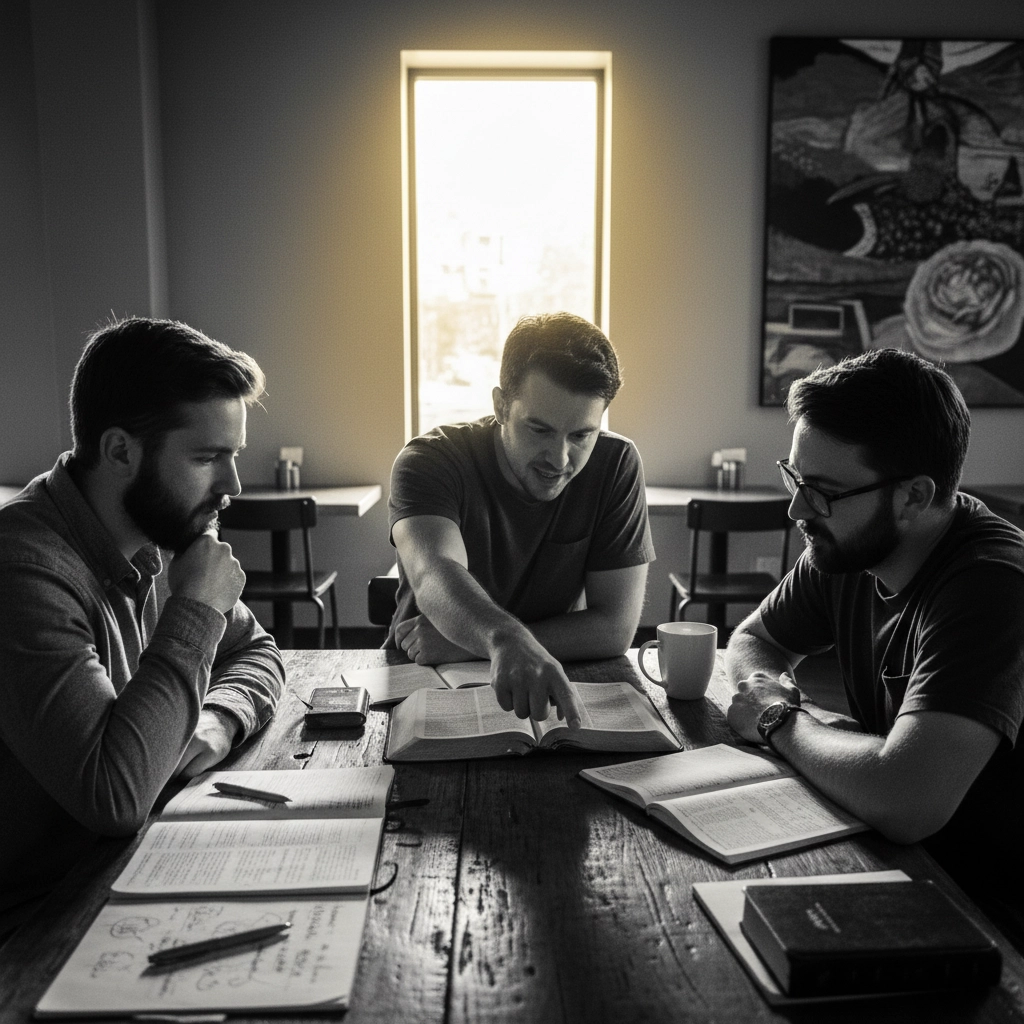
Last month, I noticed three guys from our church meeting at a coffee shop every Tuesday morning before work. When I asked them about it, they said, "Pastor, we're doing life together. We read Scripture, pray for each other, and hold each other accountable. Isn't that what small groups are supposed to do?"
They didn't call it a small group. They didn't follow a curriculum. They didn't even meet in someone's home. But they were living out Hebrews 10:24-25 in its purest form: "And let us consider how to stir up one another to love and good works, not neglecting to meet together, as is the habit of some, but encouraging one another, and all the more as you see the Day drawing near."
The Revolution Isn't What We Expected
I'm learning that these men aren't rejecting biblical fellowship: they're revolutionizing it. Here's how:
They're choosing authenticity over curriculum. Instead of working through predetermined study guides, they're bringing their real struggles to the table. One group I know spends the first 20 minutes of every meeting just being honest about where they're failing as husbands, fathers, or followers of Christ.
They're integrating faith into ordinary activities. I know men who meet at the gym and discuss Scripture between sets. Others who take weekend hiking trips and spend hours talking about God's character revealed in creation. They're proving that biblical fellowship doesn't require a church building or formal structure.

They're prioritizing consistency over perfection. These guys aren't trying to have the most profound theological discussions. They're showing up consistently, week after week, creating space for God to work in their relationships.
My Own Struggle with This Shift
I'll admit, this challenged me initially. Part of me wanted to say, "But that's not how we've always done small groups!" The traditional model felt safer, more controlled, more… pastoral.
But then I remembered Jesus calling His disciples away from their nets, their tax booths, their ordinary lives into something extraordinary. He didn't hand them a study guide. He invited them into relationship. He did life with them.
As I read Matthew 18:20, "For where two or three are gathered in My name, there am I among them," I realized I'd been focusing too much on the structure and not enough on the heart.
What This Means for Our Ministries
Brothers, if we're going to reach Millennial men: and keep them engaged: we need to rethink everything we thought we knew about biblical fellowship.
These men are hungry for authentic community, but they're not interested in programs that feel forced or superficial. They want relationships that matter, conversations that go deeper than sports and weather, and accountability that actually helps them grow.

The 55% church attendance rate among Millennial men tells me they're not running from God or His people. They're running toward meaningful connection. They're just doing it differently than we expected.
Practical Steps Forward
So what does this mean practically? How do we nurture this revolution instead of fighting it?
First, we need to give men permission to create fellowship that works for their lives. Maybe that's meeting at 5:30 AM before work. Maybe it's gathering during lunch breaks. Maybe it's connecting through text threads throughout the week with deeper conversations on weekends.
Second, we need to equip men to lead these organic relationships. They don't need seminary degrees, but they do need tools for asking good questions, praying for each other effectively, and pointing each other toward Scripture when struggles arise.
Third, we need to celebrate these non-traditional forms of biblical fellowship instead of trying to fit them into our existing small group structure. When we see men genuinely caring for each other's spiritual growth, that's the Holy Spirit at work: regardless of the format.
The Heart Behind the Numbers
Here's what moves me most about these statistics: they reveal hearts that are desperate for authentic relationship with God and each other. When 71% of Millennial men say they're committed to following Jesus, that's not just data: that's the Spirit of God drawing hearts to Himself.
These men are proving that biblical fellowship isn't about perfect attendance at weekly meetings. It's about being known, being challenged, and being loved in the name of Jesus. It's about iron sharpening iron, as Proverbs 27:17 reminds us.
A Personal Challenge
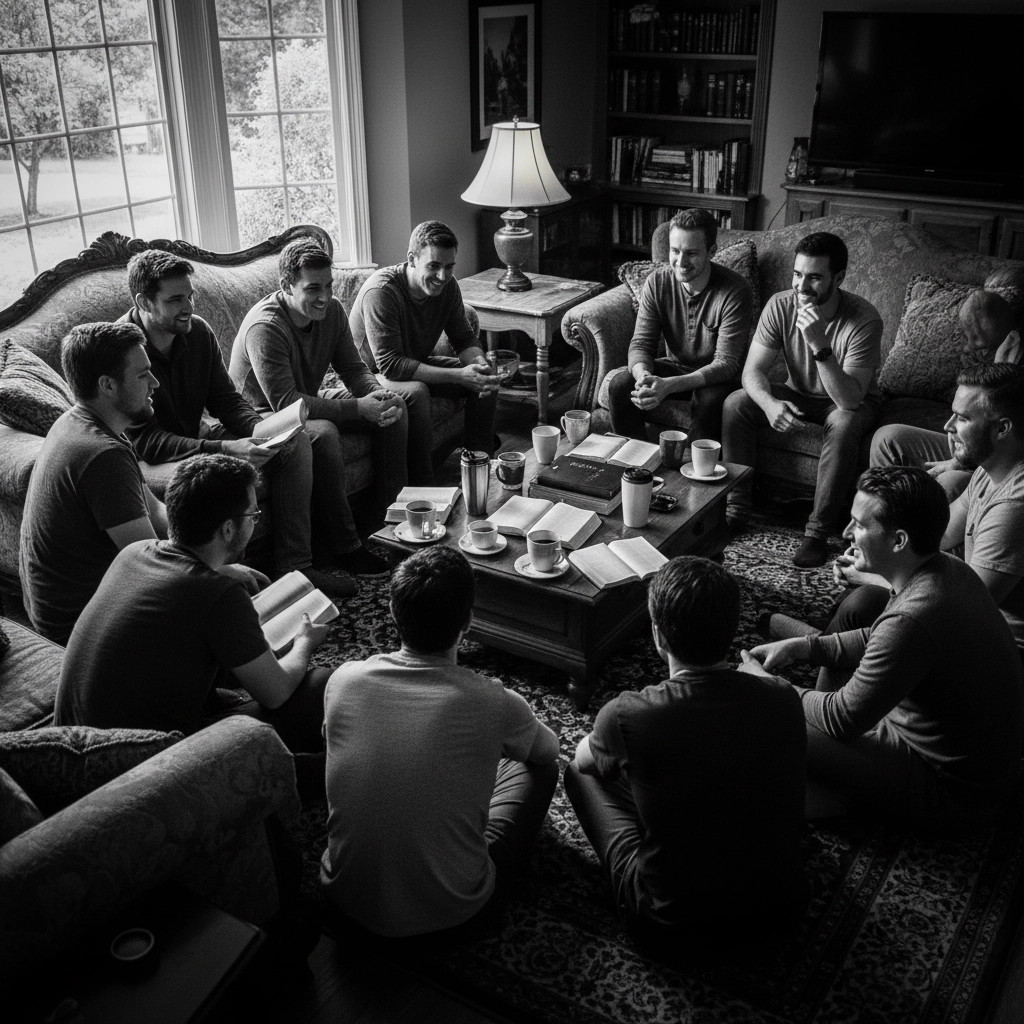
I want to challenge you, as I've been challenged: Are you creating space for this kind of authentic fellowship in your own life? Are you pursuing relationships that go beyond surface-level conversations?
Maybe you're a Millennial man reading this, feeling isolated in your faith. You're not alone. That 55% church attendance rate means there are brothers sitting in pews around you every Sunday who are hungry for the same authentic connection you're craving.
Maybe you're a pastor like me, wondering how to adapt your ministry to reach these men effectively. Start by listening. Ask the young men in your congregation how they prefer to connect. Be willing to let go of traditional formats if it means fostering genuine biblical fellowship.
The Future of Biblical Fellowship
I believe we're witnessing something beautiful: a return to the simplicity of New Testament community. These Millennial men aren't destroying small groups; they're rediscovering what they were always meant to be: authentic relationships centered on Christ.
The question isn't whether small groups are dead. The question is whether we're willing to let them evolve into something more vibrant, more authentic, and more life-changing than anything we could program or organize.
As I watch these men pursuing God together in coffee shops, gyms, and hiking trails, I'm reminded that the church was never meant to be confined to buildings or programs. It was always meant to be people: imperfect people committed to growing together in the grace and knowledge of our Lord Jesus Christ.
So are small groups dead? Not even close. They're being resurrected by a generation of men who refuse to settle for anything less than authentic biblical fellowship.

And honestly? I couldn't be more excited about what God is doing.
If you're looking for brothers to walk alongside in your faith journey, I encourage you to check out our men's ministry programs or join us at one of our upcoming conferences. Sometimes the best way to revolutionize biblical fellowship is simply to start.
Soli Deo Gloria, Pastor Jody