
I'll be honest with you: I wasted years of my ministry life chasing after the wrong things. I thought discipleship meant getting guys to show up to Bible study, memorize verses, and volunteer for church events. Don't get me wrong, those things aren't bad. But I was missing something crucial.
Surface-level faith is like painting over rust. It looks good from a distance, but underneath, the corrosion is still eating away at the foundation. I've watched too many men walk away from their faith because we never gave them the tools to go deeper than Sunday morning attendance.
The men who are actually leading church growth today? They're doing discipleship differently. They're not settling for shallow commitments or quick fixes. They're building something that lasts. And honestly, it took me years to figure out what they were doing right.
The Problem With "Microwave Discipleship"
We live in a culture that wants everything fast. Fast food, fast internet, fast results. And somehow, we've let that mentality creep into our discipleship approach. We want men to mature spiritually in 6 weeks or less, preferably with a workbook and weekly check-ins.
But real discipleship doesn't work that way. Jesus spent three years with His disciples, and even then, they were still figuring things out after His resurrection. Peter denied Him three times. Thomas doubted. These guys lived with Jesus daily and still struggled with surface-level understanding.

I remember sitting in my office a few years ago, looking at our church statistics. We had great numbers: men's ministry attendance was up, small group participation was solid. But I knew something was missing. Too many of our guys were still living compartmentalized lives. Church on Sunday, business-as-usual the rest of the week.
That's when I started studying what the most effective discipleship leaders were actually doing. These weren't necessarily the guys with the biggest platforms or the flashiest programs. They were the pastors and ministry leaders who were consistently producing mature, committed followers of Christ.
7 Discipleship Hacks That Actually Work
1. Stop Tolerating Emotional Immaturity
This one hits close to home because I used to be the king of avoiding difficult conversations. If a guy in our ministry was struggling with anger, bitterness, or relational dysfunction, I'd pray about it and hope it worked itself out.
The men leading real church growth don't do that. They address emotional immaturity head-on because they understand that spiritual maturity and emotional maturity go hand in hand.
"But the fruit of the Spirit is love, joy, peace, patience, kindness, goodness, faithfulness, gentleness, self-control; against such things there is no law" (Galatians 5:22-23, LSB).
Notice how many of those fruits deal with emotional regulation? A man who can't control his temper or deal with conflict in a healthy way isn't spiritually mature, no matter how much Scripture he can quote.
2. Prioritize Being Over Doing
I used to measure discipleship success by activity levels. How many mission trips did a guy go on? How often did he volunteer? How many people did he invite to church?
But I was creating spiritual burnout factories. Men were serving out of obligation instead of overflow. They were doing things for God instead of developing a relationship with God.
The most effective discipleship leaders flip this script. They focus first on helping men develop their interior life with Christ. Prayer isn't just a quick blessing before meals: it's actual conversation with God. Bible reading isn't just checking off verses: it's encountering the living Word.
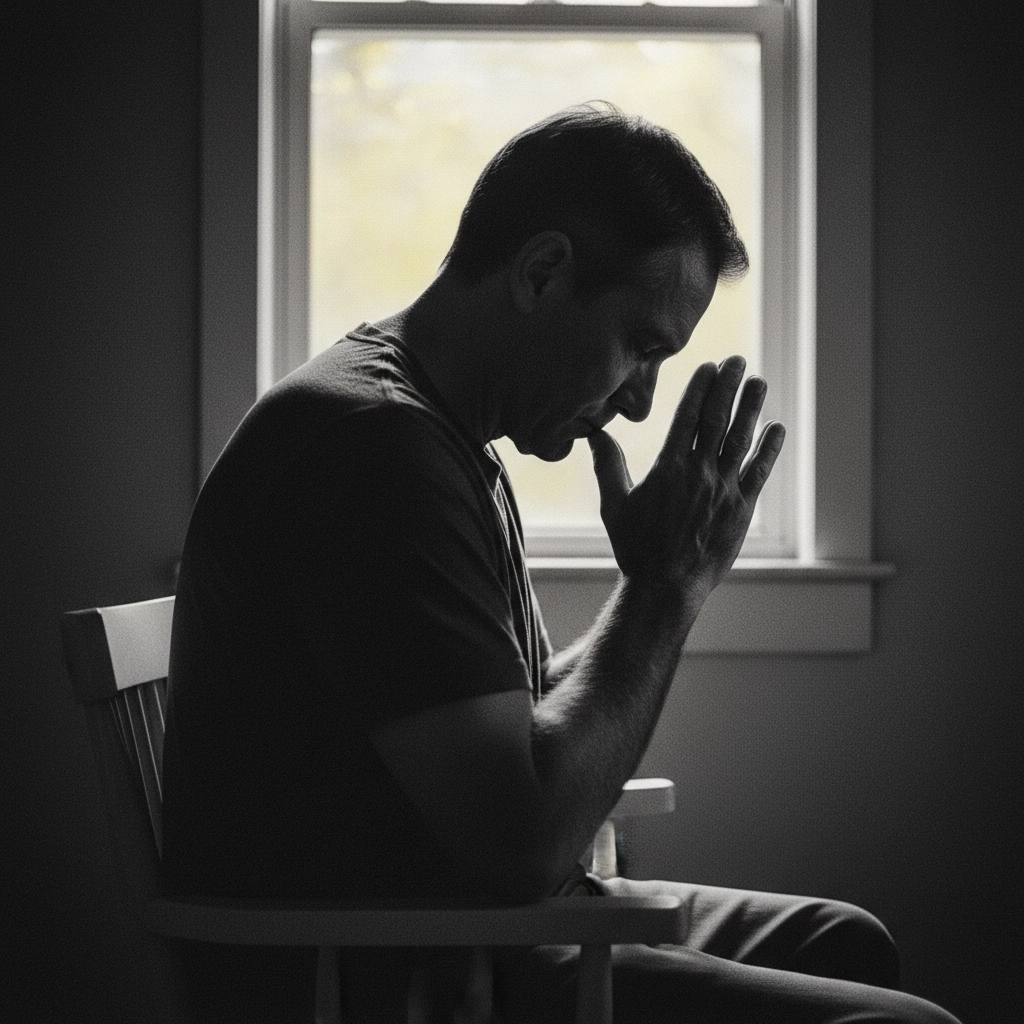
When a man's identity is rooted in who he is in Christ rather than what he does for Christ, his service becomes sustainable and authentic.
3. Connect With Church History
This might sound academic, but hear me out. Most of our guys think Christianity started in 1980 with contemporary worship music. They have no idea about the rich heritage of faith that came before us.
The discipleship leaders who are making a real impact introduce their men to the giants of church history. Not in a boring, textbook way, but as mentors and examples. Augustine's struggles with temptation. Luther's battle with doubt. Spurgeon's fight with depression.
These historical figures show our men that faith struggles aren't new, and neither are the solutions. There's wisdom in the ages that we're ignoring at our own peril.
4. Redefine Success
Here's where I had to completely change my thinking. I was defining discipleship success by visible metrics: attendance, giving, volunteer hours. But the men who are truly leading church growth measure different things.
They look for character transformation. Is this guy becoming more like Christ in his marriage? Is he handling stress differently? Is he showing more patience with his kids? These aren't always visible to the congregation, but they're the real indicators of spiritual growth.
"By this all people will know that you are My disciples, if you have love for one another" (John 13:35, LSB).
Jesus didn't say people would know we're His disciples by our church attendance or our theological knowledge. It's love: real, sacrificial, Christ-like love: that marks genuine discipleship.
5. Create Accountability That Actually Works
Most accountability partnerships I've seen are just weekly confession sessions where guys admit their failures and promise to do better. That's not accountability: that's spiritual venting.
Real accountability involves life-on-life relationships where men have permission to speak into each other's decisions before they make them. It's proactive, not reactive.

The men leading effective discipleship create environments where guys can call each other before they make the stupid decision, not just confess after they've already made it.
6. Address the Whole Man
We've compartmentalized discipleship too much. We talk about spiritual growth as if it's separate from physical health, financial stewardship, career decisions, and family relationships.
But effective discipleship leaders understand that following Christ affects every area of life. They help men see how their faith should influence their parenting, their work ethic, their physical fitness, their financial decisions.
This isn't adding more programs to the church calendar. It's helping men understand that there's no secular/sacred divide in the Christian life.
7. Focus on Multiplication, Not Addition
Here's the big difference I've noticed: Average discipleship programs try to add more people to the group. Effective discipleship leaders focus on multiplying disciples who can make disciples.
This means being more selective about who you invest your deepest energy in. Jesus had crowds that followed Him, but He had twelve disciples. Of those twelve, He had an inner circle of three. Even within that inner circle, John was "the disciple whom Jesus loved."
I had to learn that it's better to deeply disciple five men who will each disciple five more than to have a weekly meeting with fifty guys who never reproduce what they're learning.
The Long Game of Discipleship
I won't lie to you: this approach takes longer to show results. It's messier than program-based ministry. You can't easily put it in a brochure or measure it with statistics.
But I've watched it work. I've seen men who were spiritually shallow become pillars of faith in their families and communities. I've watched guys who were nominal Christians become passionate followers of Christ who can't help but share their faith with others.
The question isn't whether you want quick results or lasting transformation. The question is whether you're willing to do the harder work that produces the better outcome.
Are you tired of surface-level faith in your own life? Ready to move beyond spiritual mediocrity? Start with yourself. You can't give what you don't have, and you can't lead where you haven't been.
If you're ready to take your faith deeper and help other men do the same, I'd love to connect with you. Check out our Christian conferences for men where we dive into these principles in depth, or browse our daily devotionals to start building that interior life with Christ we talked about.
The church needs men who are willing to stop settling for shallow faith and start pursuing the deep, transformative relationship with Christ that actually changes lives. The question is: Are you one of them?
Soli Deo Gloria, Pastor Jody