
I'll be honest with you: when I first started noticing more young men walking through our church doors, I thought it might just be wishful thinking. After years of watching the pews fill with mostly women and older folks, seeing twentysomething guys show up week after week felt almost too good to be true.
But then the data started backing up what my eyes were seeing. Something extraordinary is happening in American churches right now, and if you're in ministry, you need to know about it.
For the first time in decades, Gen Z men are attending church more frequently than their female counterparts. In 2025, 46% of Gen Z men have attended church in the past week compared to 44% of Gen Z women. I know that doesn't sound like a huge gap, but friend, this represents a complete reversal of everything we've known about church attendance patterns.
I've been in ministry long enough to remember when getting young men to show up felt like pulling teeth. Now I'm watching guys in their early twenties walk in on their own, some bringing friends, some coming alone but coming consistently. It's humbling and exciting all at once.
The Numbers Tell a Story I Wasn't Expecting
The typical Gen Z churchgoer now attends 1.9 weekends per month. That might not sound impressive if you're used to the "every Sunday" crowd, but here's what blew my mind: these young adults are now the most regular churchgoers, outpacing the older generations who used to be our backbone.
Over in the UK, church attendance among young people has jumped by more than 50% since 2018, with young men leading the charge. When I read that statistic, I had to sit back and really think about what God might be doing in this generation.
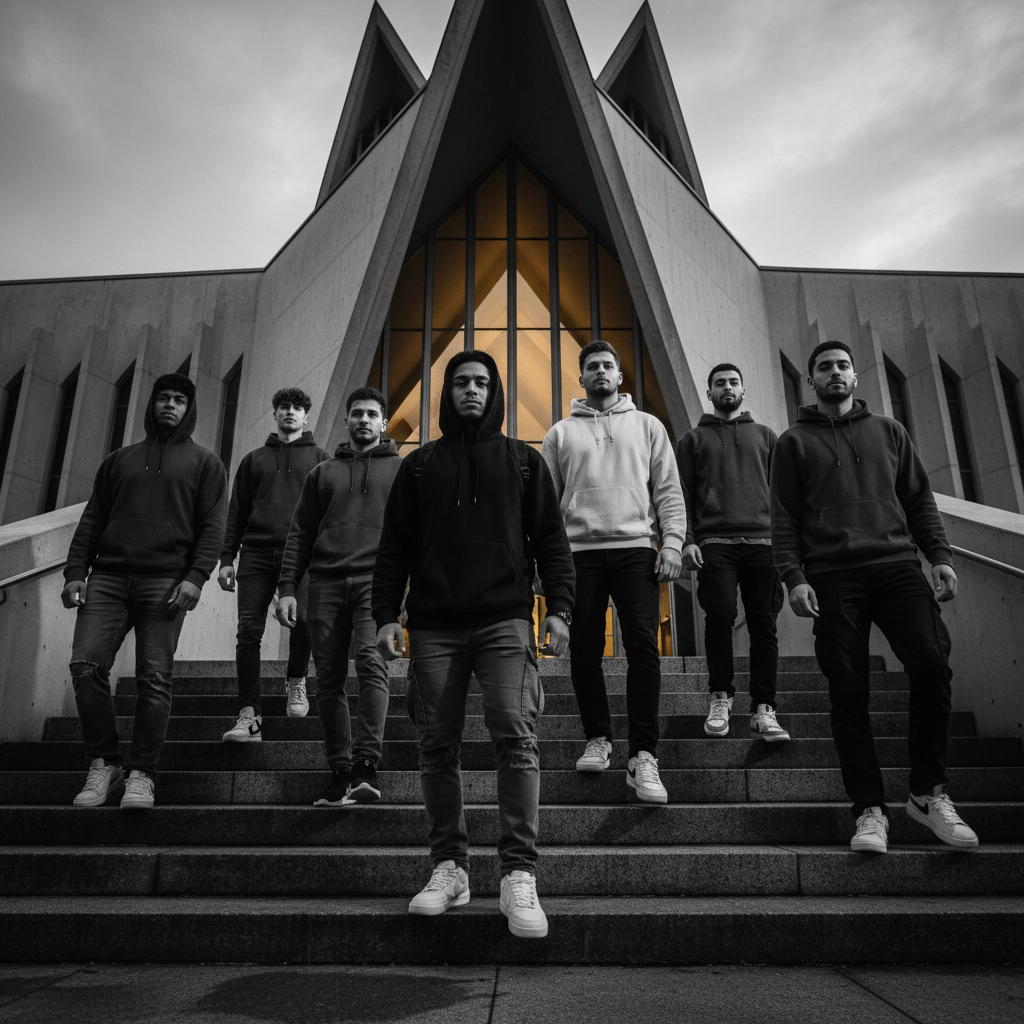
But here's where it gets really interesting, and honestly, a bit challenging for those of us in leadership. This revival isn't happening evenly across all denominations. It's primarily Catholic and Pentecostal churches seeing the biggest influx. And: this one really got my attention: it's not just prodigal sons coming home. These are completely unchurched young people walking into congregations for the first time in their lives.
As someone who's spent countless hours praying for the lost to find their way to Christ, I should be purely celebrating. And I am. But I'm also asking myself some hard questions about what we're doing that connects with this generation and what we might be missing.
Why Are They Coming? The Answer Might Surprise You
I've had conversations with dozens of these young men over the past year, and one theory that keeps coming up resonates deeply with what I'm seeing. Many of these Gen Z guys have become economically poor, and there's something about that poverty: both financial and spiritual: that's creating a hunger for God.
Jesus said, "Blessed are the poor in spirit, for theirs is the kingdom of heaven" (Matthew 5:3, LSB). I'm watching this verse come alive in real time.
These young men are facing economic uncertainty that previous generations didn't experience at their age. They're dealing with social isolation that social media promised to solve but only made worse. They're searching for meaning and purpose in a world that's told them to create their own truth, but they're discovering that's an impossible burden to carry alone.
When a 23-year-old guy sits across from me and says, "Pastor, I don't even know why I'm here, but I know I need something more than what I've been living for," I hear the Holy Spirit working. I see a soul recognizing its need for the Savior, even if the words aren't quite there yet.

One young man told me recently, "I tried everything the world said would make me happy: money, relationships, experiences, achievements. But at the end of the day, I felt empty. When I walk in here, there's something different. There's hope."
That conversation reminded me of Solomon's words in Ecclesiastes: "I have seen all the works which have been done under the sun, and behold, all is vanity and striving after wind" (Ecclesiastes 1:14, LSB).
What This Means for Your Ministry (And Mine)
Here's where I have to get vulnerable with you. This trend is exposing some areas where I've gotten comfortable in my ministry approach, and it's challenging me to grow.
These Gen Z men aren't showing up with the same expectations previous generations brought. They attend an average of 1.6 times per month: roughly two out of every five weekends. My first instinct was to see this as a problem to fix. "How do we get them here more often?"
But I'm learning to ask different questions: How do we make every encounter count? How do we build discipleship pathways that work with their rhythm rather than against it? How do we create meaningful connections when we can't assume they'll be there every week?
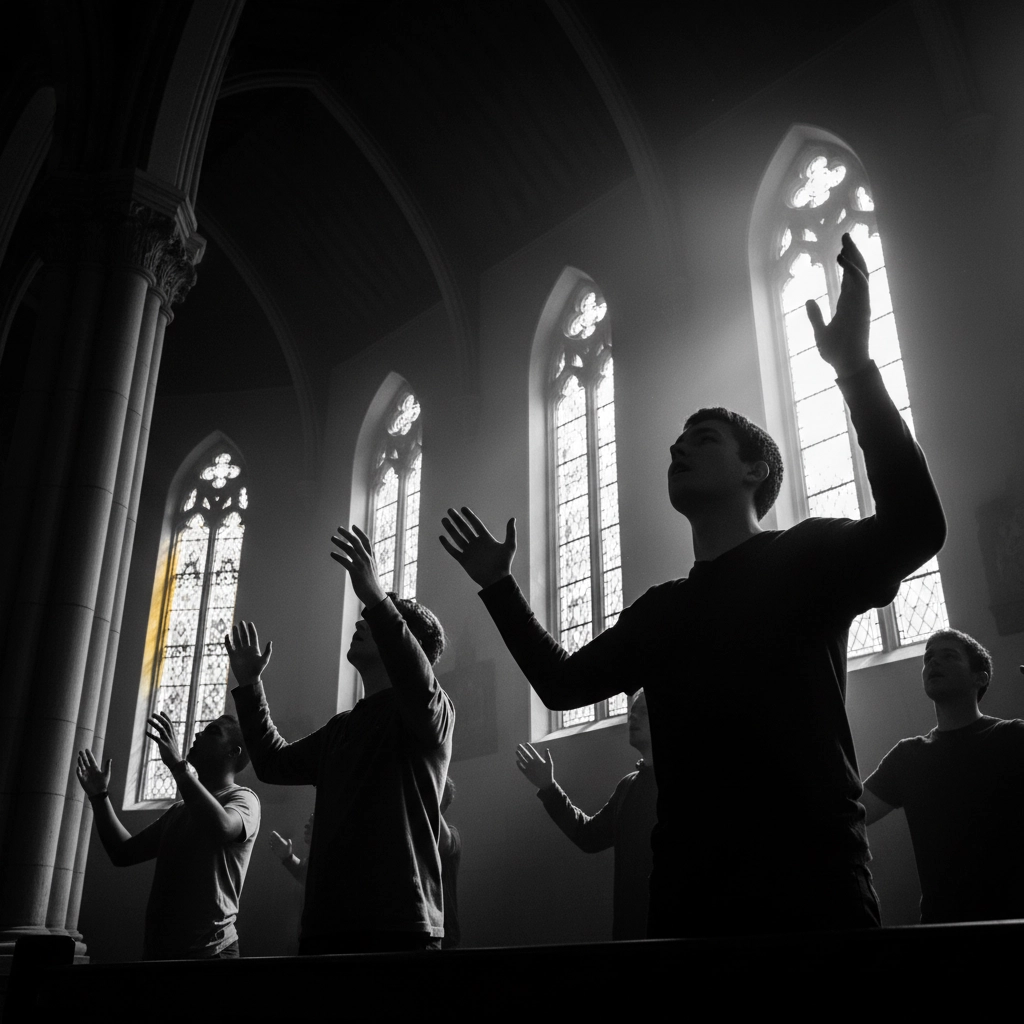
It's forcing me to rethink everything: sermon series that assume continuous attendance, volunteer commitments that require weekly presence, small group structures that depend on consistent participation. Honestly, it's been uncomfortable. I like predictability. I like knowing who's going to be there and when.
But God is teaching me that His kingdom doesn't always fit into my neat little boxes.
These young men are also teaching me about authenticity in ways that have humbled me. They can spot fake from a mile away. They don't want polished presentations as much as they want real encounters with real people wrestling with real faith.
One guy told me after a service, "I don't need you to have all the answers, Pastor. I just need to know you're asking the same hard questions I am." That comment stayed with me for weeks.
The Social Justice Connection
Here's something else I'm learning: 77.7% of non-churchgoing Gen Z are looking for congregations that actively help the poor. These young men aren't just seeking personal salvation: they want to be part of something that makes a tangible difference in the world.
This challenges those of us in ministry to examine whether we're presenting a gospel that transforms not just individuals but communities. Are we showing them a faith that rolls up its sleeves and gets involved in the messy work of loving our neighbors?
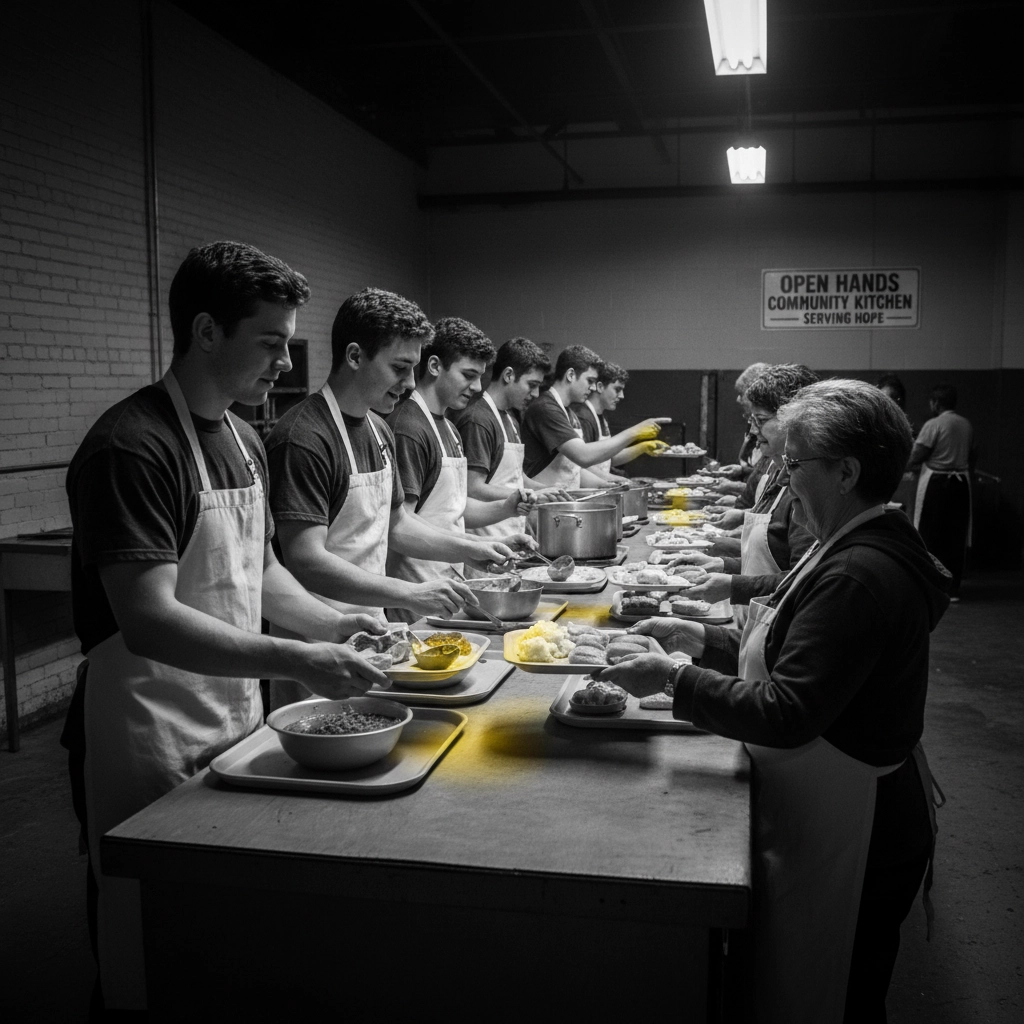
I've started asking myself: When these young men look at our church, do they see the hands and feet of Jesus in action? Do they see us caring for the least of these? Or do they just see us caring for ourselves?
James reminds us that "faith without works is dead" (James 2:26, LSB). This generation seems to intuitively understand that truth in ways that challenge my own faith journey.
Moving Forward Together
So what does all this mean practically? For me, it means embracing the messiness of sporadic attendance while still building genuine community. It means creating multiple entry points for connection rather than one-size-fits-all approaches.
It means being willing to have the same important conversations multiple times because someone might have missed them the first go-around. It means finding ways to build meaningful relationships even when face-to-face time is limited.
Most importantly, it means staying faithful to the gospel while being flexible about methods. The message never changes, but how we share it and live it out together can adapt to meet people where they are.

I'm also learning to celebrate the work God is doing rather than focusing on what I wish was different. When I see a young man showing up twice a month and genuinely growing in faith, that's worth celebrating. When I watch him bring a friend who's never been to church before, that's the kingdom expanding.
Your Turn
If you're in ministry, I want to encourage you to look around your congregation with fresh eyes. Are you seeing more young men than you used to? How are you adapting your approach to meet them where they are rather than where you wish they were?
And if you're one of those young men who's been feeling drawn to explore faith, know that you're part of something bigger than yourself. God is moving in your generation in ways that give me hope for the future of His church.
The kingdom of heaven belongs to the poor in spirit, and I believe we're witnessing that truth unfold in real time. The question is: Will we join what God is already doing, or will we miss it because it doesn't look the way we expected?
Let's pray for wisdom, humility, and open hearts as we navigate this new season together.
What are you seeing in your corner of the kingdom? I'd love to hear your thoughts.